Injection Mold Tooling, Mold Design and Mold Transfer
Mold design, DFM in-house; production tooling built through our vetted tooling partners to our specification; tool maintenance and production in Phoenix for the life of the program. And a transfer program for molds you already own.
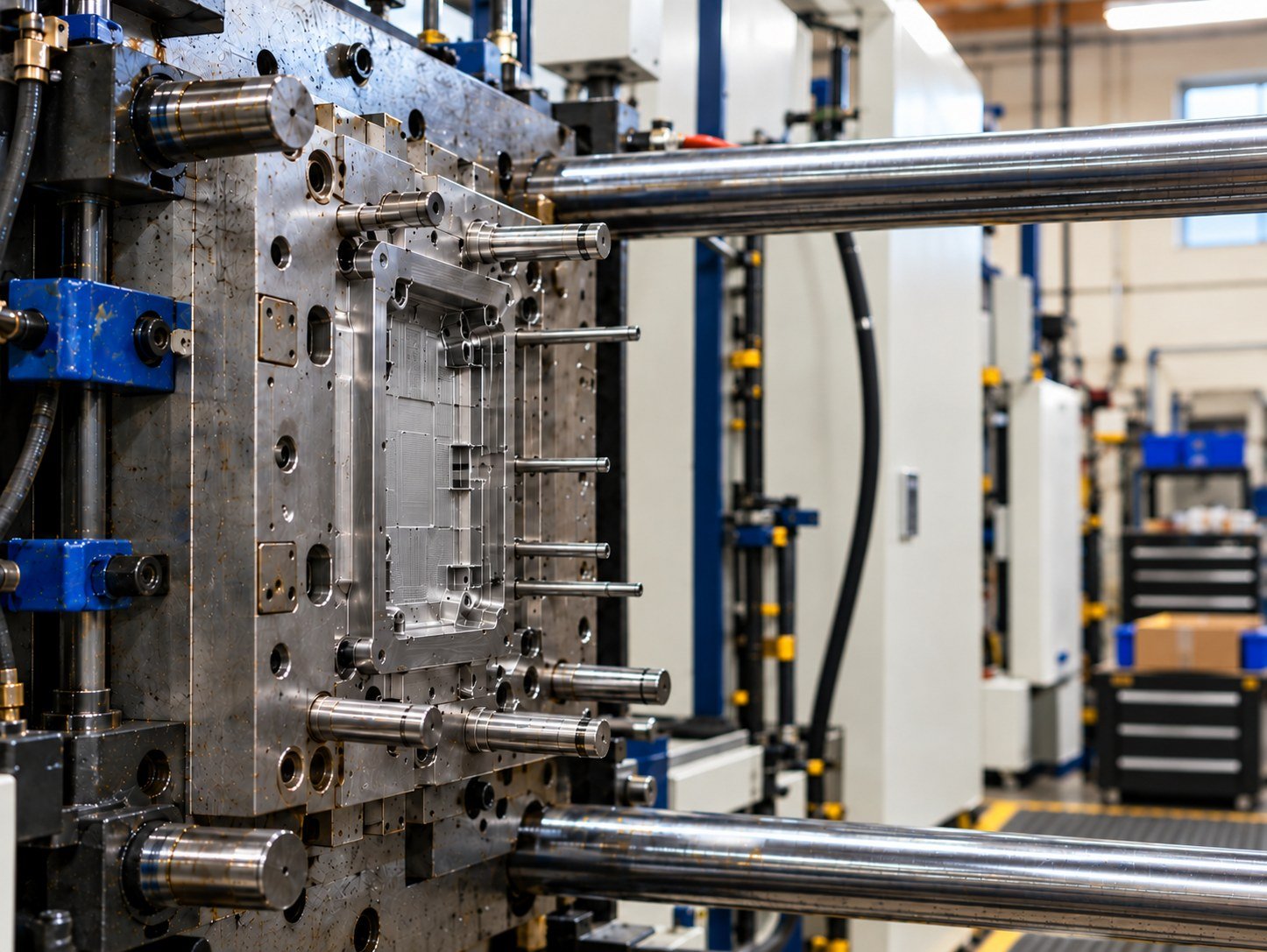
Mold design and DFM
A good tool starts with a part that wants to be molded. Before any steel is ordered we review draft angles, wall uniformity, ribs and bosses, radii, gate location and runner layout, cooling, ejection and the tolerance stack, and we size the tool for our presses, which run under 200 tons. Gate location, wall thickness and cooling are reviewed against the resin’s flow and shrink so the first article is the article you expected.
- Design-for-manufacturing review on every quote
- Fill, weld line and warp review before steel is cut
- Gate and runner design, hot or cold runner
- Cavitation and family-mold recommendations based on your volume
- Shrink and tolerance analysis by resin
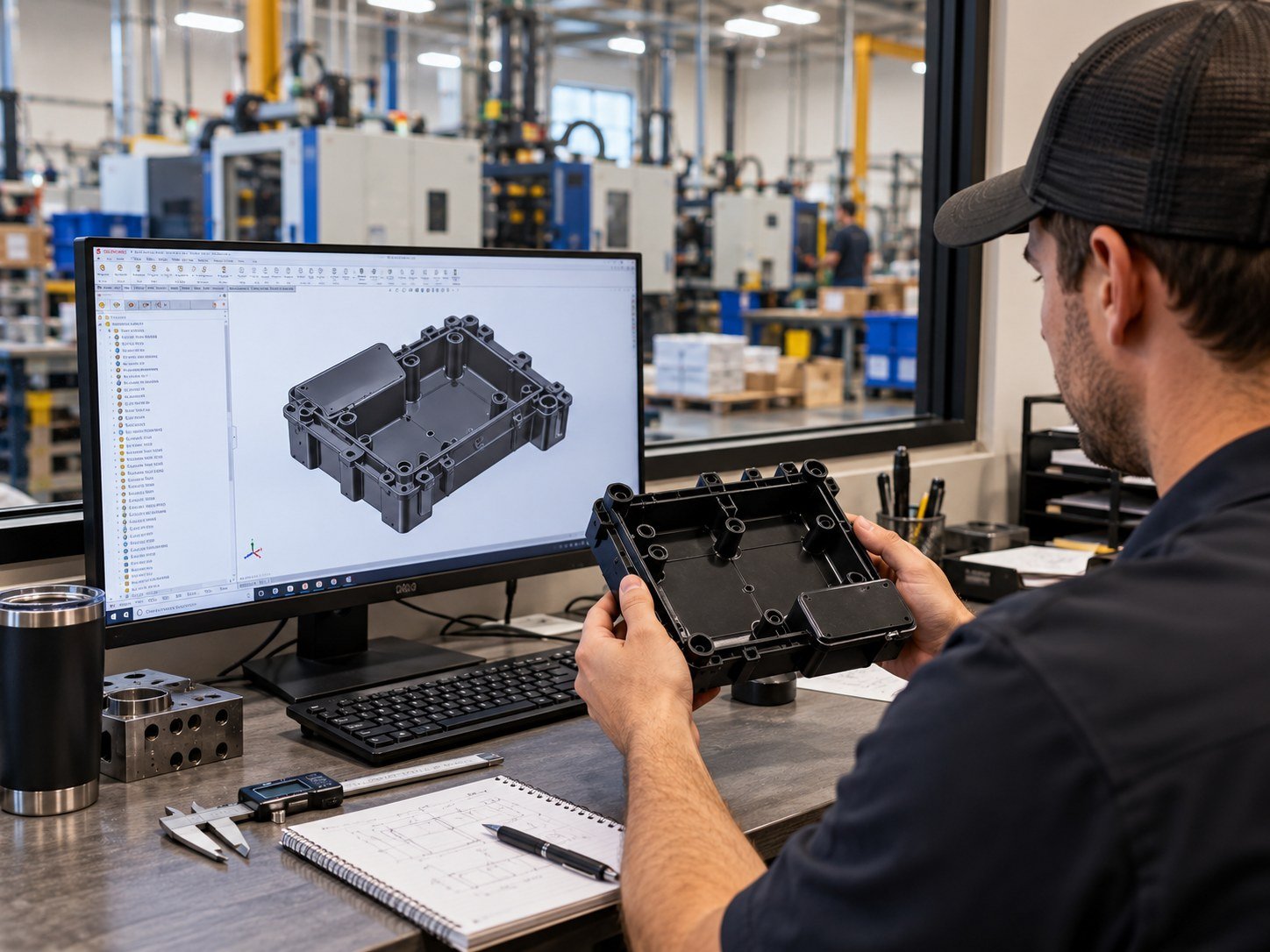
Tool build
We specify the tool, manage the build through our vetted tooling partners, and qualify it in our presses. You own the mold. The right class of tool depends on volume, resin and how long the program will run.
| Tool type | Material | Typical life | Lead time | Best for |
|---|---|---|---|---|
| Rapid prototype | Aluminum | Hundreds to low thousands | 5 to 10 business days | Design validation, pilot builds |
| Bridge / low volume (SPI Class 104–105) | Aluminum or P20 | To about 100,000 cycles | 2 to 4 weeks | Market tests, bridge production, service parts |
| Production (SPI Class 102–103) | P20 or pre-hardened steel | 500,000 to 1,000,000 cycles | 6 to 10 weeks | Most production programs |
| High-volume (SPI Class 101) | Hardened tool steel (H13, S7) | 1,000,000+ cycles | 8 to 12 weeks | Multi-cavity, abrasive or glass-filled resins, long programs |
Hot runner systems remove runner scrap and shorten cycles on high-volume tools; cold runners keep tool cost down on lower volumes and family molds. We recommend one or the other in the DFM review based on your annual quantity.
Tool maintenance and ownership
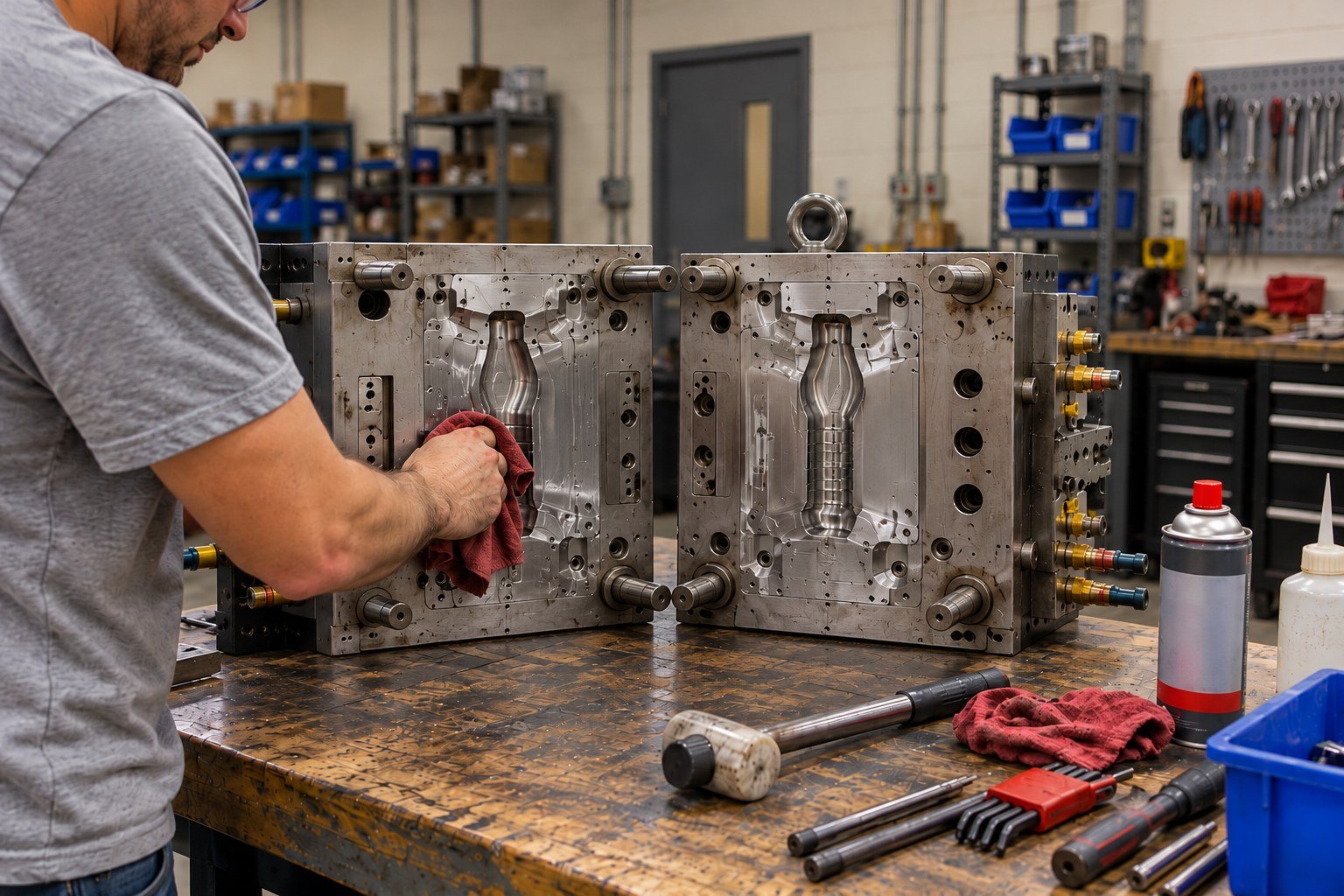
Your mold is your asset. It is inventoried, stored and maintained in Phoenix on a preventive schedule tied to cycle count: cleaning, venting, lubrication, wear-component replacement and texture refresh as needed. Maintenance records travel with the tool, and if you ever move it, it leaves in documented condition.
- Preventive maintenance by cycle count
- Tool condition reports with photos
- Spare components stocked for critical tools
- Insured storage in Phoenix
- Clear ownership and release terms in writing
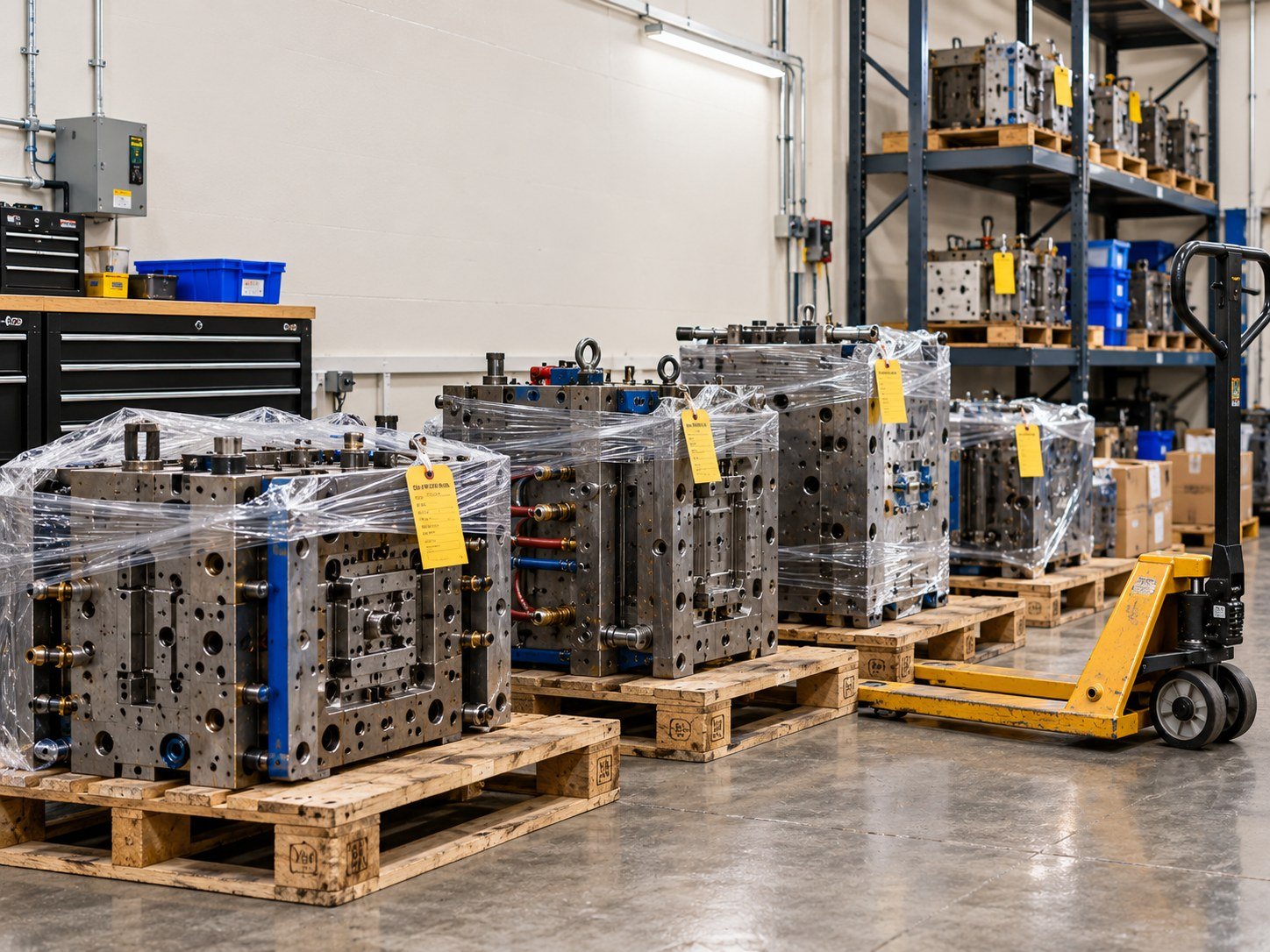
Moving an existing mold to a new injection molder
Most production programs that come to Legacy arrive with a mold already built, from a molder that closed, missed deliveries, raised prices or sits on the wrong side of a tariff. A transfer done right takes two to four weeks from the tool arriving to production parts shipping. Here is what we collect and what we do.
- Tool condition report and photos from the current molder
- Part drawings, 3D data and the last-shot samples
- Resin grade, colorant and the current process sheet
- Cavity, vent and cooling inspection on arrival
- Trial run, process development and first article inspection
- Production restart with in-process checks on critical dimensions
Start a mold transfer Bringing a tool back from overseas? Read this first
Frequently asked questions
How much does an injection mold cost?
Simple single-cavity aluminum tools start around $3,000 to $8,000. Production steel tools for typical parts run $15,000 to $60,000, and complex multi-cavity Class 101 tools can exceed $100,000. Cavitation, part size, tolerances, side actions and surface finish drive the number. We quote tooling and piece price together.
How long does a production mold take?
Six to twelve weeks from design approval to first article for most steel tools. Rapid aluminum tooling runs 5 to 10 business days.
Can you repair or modify a mold built somewhere else?
Yes. Tools arriving through our transfer program are inspected and brought to running condition; engineering changes, texture and re-cutting are handled through our tooling partners.
Who owns the mold?
You do. Tool ownership and release terms are written into the quote. The tool is stored and maintained at Legacy while it runs here.
Quote tooling or a mold transfer
Send the part data for a new tool, or the current tool's drawings, last shots and condition report for a transfer.
Phoenix, AZ 85040
480-256-9773
b.hanke@legacy-molding.com
Mon–Fri 8:00 AM – 5:00 PM